In 20 seconds
- The problem
- With no digital presence, every order was a conversation, and new customers could not see the catalogue or the prices.
- What we did
- A website with the collections, a prices page, a gallery and ordering by WhatsApp from every page.
- The result
- Auxoc went from selling only through messages to having its catalogue, prices and ordering in one place.
01The challenge
Selling a craft product nobody can see
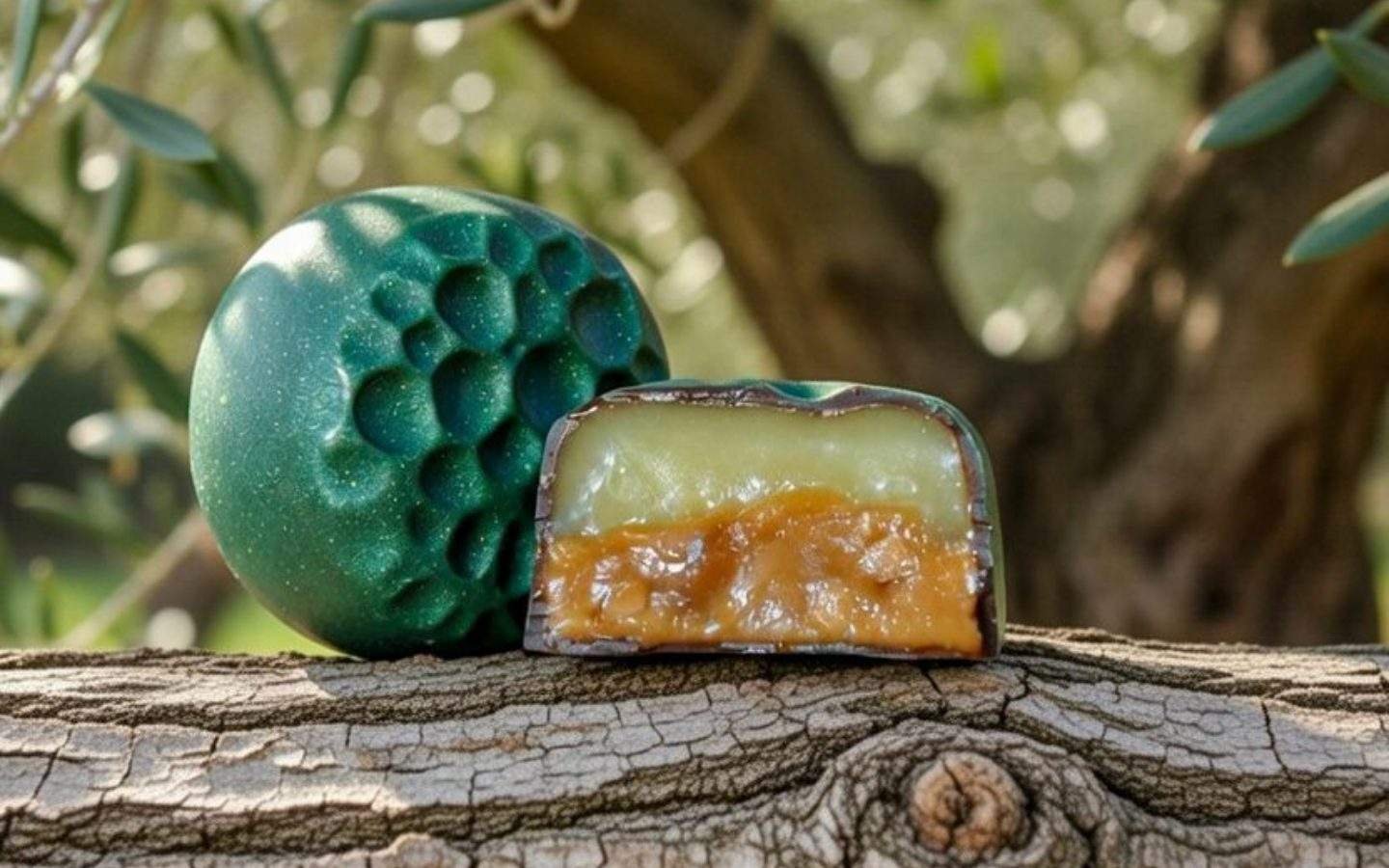
Auxoc makes chocolates, dragées, polvorones, bars and turrón in its workshop in Cádiz. The product was excellent. What did not exist was a place to see it: they had no digital presence and every order arrived by phone.
That has a cost you do not see in the till: a new customer had to send a message just to learn what was available and how much it cost, and every order was a conversation handled by hand. The business depended on customers already knowing the brand.
It is a very common pattern in craft retail: word of mouth works as long as the customer already knows who to message. The moment someone searches “artisan chocolates in Cádiz” on Google or sees a photo on Instagram and wants to order, they hit a gap: there is no page showing the range, the price and how to order.
So the challenge was not to sell more to people who already knew Auxoc, but to give a stranger everything they need to decide without having to ask.
02What we did
The decisions behind this case
-
Catalogue
One page per collection
Chocolates, dragées, polvorones, bars and turrón each have their own page with photos of every product. Visitors see what is on offer before messaging anyone, and each page answers a different Google search.
-
Prices
Prices in plain sight
A public prices page. For a craft business it is the question that most often stops a purchase, and the site answers it before anyone has to ask. Less uncertainty before ordering.
-
Ordering
Ordering stays on WhatsApp, only tidier
We did not change how customers prefer to order. We placed the WhatsApp order link on every page, next to what is being looked at, and explained customisation and delivery in Cádiz. Changing a customer’s habit is expensive; smoothing it is cheap.
-
Brand
Showing who is behind it
A workshop gallery and the Auxoc x Isidro collaboration: the site tells the story of the brand instead of just listing products. In a craft product, the story is part of what people pay for.
-
Foundations
A fast, legally complete site
Lightweight pages that load well on a phone, legal notices and a cookie policy from day one. It is the part nobody sees, but it keeps the site from dropping out of Google or causing problems later.
03Method
How we work, step by step
This is the method we follow on a local-business website. It works just as well for a shop, a workshop or a service.
Understand how it sells today
Before designing, we look at how orders arrive, what customers ask and what repeats in every conversation. Those questions become the index of the website.
Organise the catalogue
We group products the way customers understand them (by type of product, not by ingredient list) and decide which ones get a page of their own.
Design the path to the order
Every page ends in one clear action: order by WhatsApp. We check that from any point the order is one tap away.
Build it light and legal
Fast static pages, optimised images, texts and titles written for search engines, and the legal documents the law requires.
Review on a real phone
Many people arrive from their phone, so it gets tested there first: buttons within thumb reach, readable text and nothing spilling off the screen.
04Apply it
What you can apply to your business
If you sell on WhatsApp or Instagram today, these five checks show what you are missing.
- Write down what people always ask. Review your last thirty chats. Whatever repeats (“how much is it?”, “do you deliver?”) belongs on the website.
- Publish your prices. If you cannot give a fixed price, give a range or a “from”. An indicative price filters better than silence.
- One product, one page. One page per product line or service lets Google find you for each thing you sell.
- Keep your ordering channel. Do not make customers learn another system: link your WhatsApp to the product they are looking at.
- Measure at least one thing. How many order messages arrive each month. With that number you will know whether the website works.
05Deliverables
What was delivered
- A website with 5 product collections, each on its own page
- A prices page and a gallery
- WhatsApp and Instagram order links on every page
- A page for the Auxoc x Isidro collaboration
- Contact page, legal notices and cookie policy
06Results
The results
Auxoc went from having no digital presence to having its catalogue, prices and ordering channel on a website of its own: somewhere to send anyone.
We are not publishing figures for this case yet: we would rather wait for real data measured with the client than print a number we cannot stand behind.
07Who this case is for
Who this case is for
This case helps if you sell a handmade product (chocolate, baking, preserves, natural cosmetics) and orders currently arrive by WhatsApp or Instagram messages. A website with a clear catalogue, visible prices and a WhatsApp order button cuts repeated questions and helps people find you on Google when they search for that product in your city.
08Mistakes to avoid when setting up an artisan shop
Mistakes to avoid when setting up an artisan shop
- Hiding prices: someone unsure of the cost does not message you.
- A single page with everything mixed, instead of one page per collection answering a specific search.
- Generic photos instead of real photos of the product and the workshop.
- A WhatsApp order with no message template: it forces you to ask the same things again and again.
09Questions
Frequently asked questions
What changed for Auxoc once it had a website?
It went from selling only through messages to having its catalogue, prices and ordering in one place, with a website of its own to send anyone to.
Do customers still order on WhatsApp?
Yes. We did not change the channel that already worked: we linked it from every page so that someone who arrives with the product and price clear can order in one tap.
What does a website like Auxoc’s include?
One page per product collection, public prices, a gallery, a contact page, WhatsApp and Instagram order links, and the legal and cookie notices the law requires.
Does it work for my business if I sell by WhatsApp or Instagram today?
That is exactly the starting point of this case. If your customers message you to find out what you have and how much it costs, a website that answers that for you saves the conversation and gives you somewhere to send anyone.
Do I need an online shop to have a website?
No. A catalogue site with ordering by message is simpler, cheaper to maintain and enough for many craft businesses. A shop with a basket only pays off if you will handle payments, shipping and stock online.
Why do you not publish result figures?
Because we only publish data we can prove. Once we have real measurements with the client (visits, order messages, sales), we will add them here with their date and source.
Do I need a full online shop to sell?
Not always. To start, a catalogue with prices and a WhatsApp order may be enough, and you can add online payments when volume justifies it.
How does the website help local SEO for a craft business?
One page per collection, mentioning your city naturally and with contact details consistent with your Google listing, makes it easier for people searching for that product nearby to find you.
How long does it take to have a site like this?
It depends on the number of products and whether photos already exist; it can usually be planned in weeks, and the date is agreed before starting.